


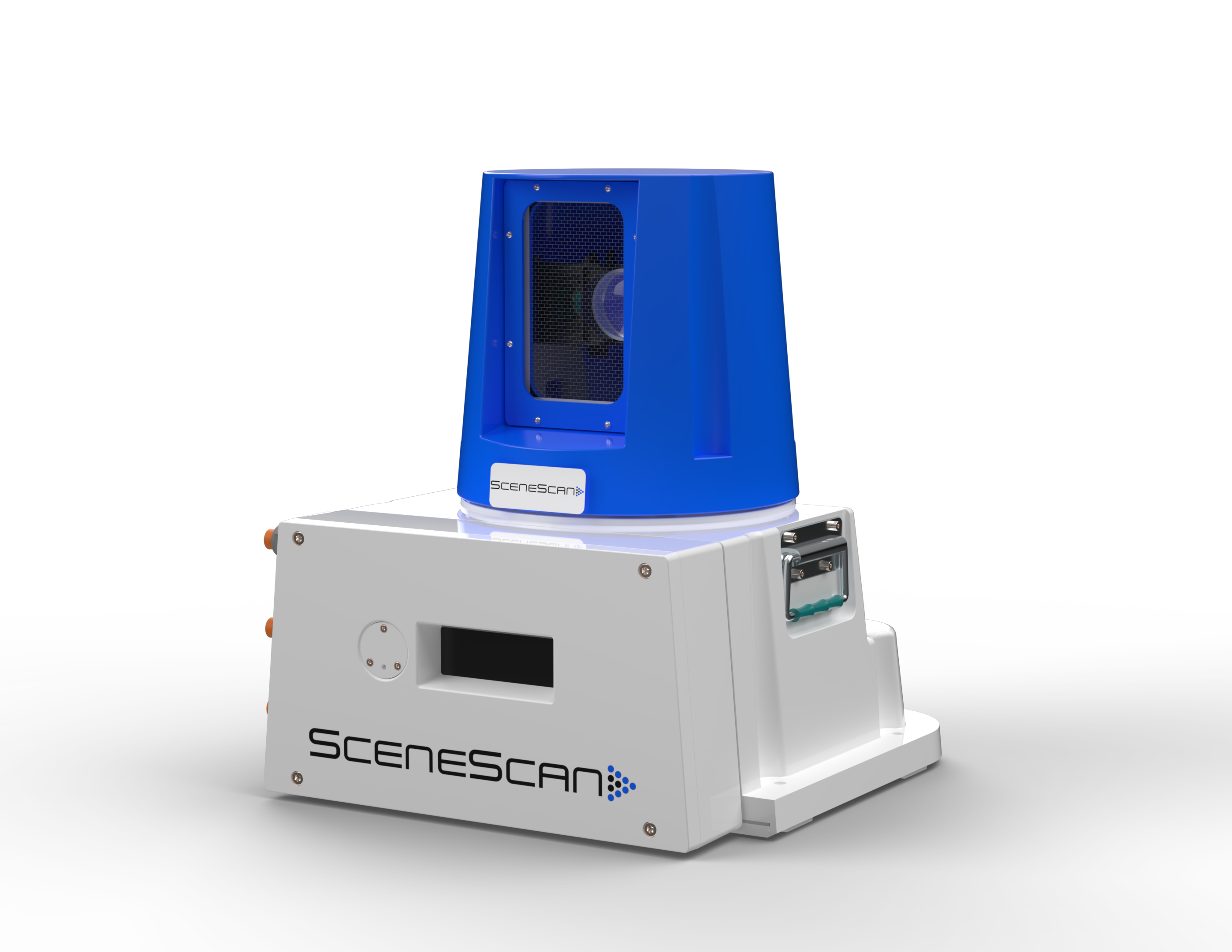


Guidance Marine At 2026 Dynamic Positioning Conference
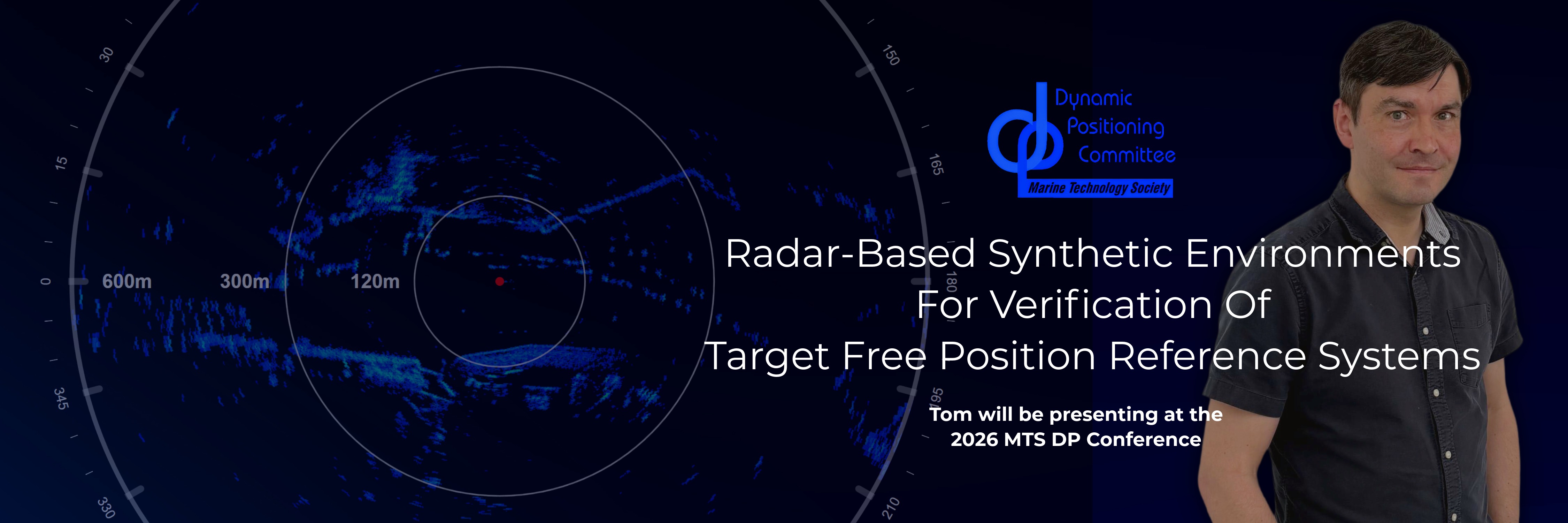
Guidance Marine is excited to be exhibiting and presenting at the 2026 MTS Dynamic Positioning Conference in Houston, Texas.
Our Technical Director, Tom Coggins, will be presenting the latest methodologies Guidance Marine are using, constructing synthetic radar environments to drive innovation.
You can also find the Guidance Marine team at Booth #6 throughout the event. Visit us from 12-14th October!
'Radar-Based Synthetic Environments For Targetless Position Reference Systems'
Time: 4:30PM
When: 14th October
Location: Houston, Texas (Hyatt Regency Houston West)
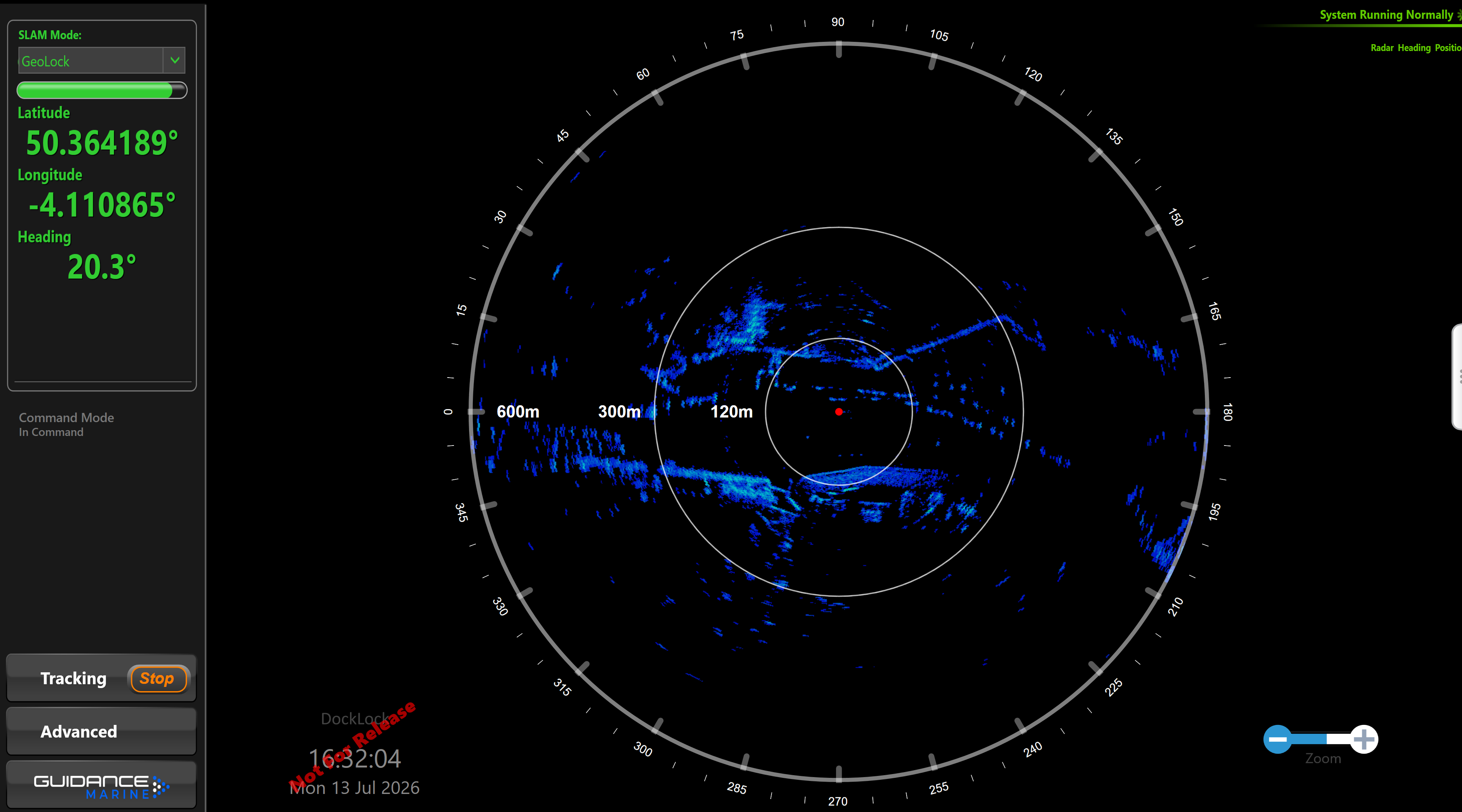
For operators, sea trials remain the validation benchmark, but they are costly, difficult to replicate, and limited in exploring edge-case scenarios.
Synthetic environments can support development of position reference systems exceeding the 500m limitation as well as exploring variables, by allowing systematic investigation of performance at progressively longer stand-off distances.
What is Guidance Marine doing differently?
We are now using a methodology that constructs synthetic radar environments for the development and verification of targetless position reference systems.
The approach combines three elements:
1. Physics-informed environmental modeling
2. Vessel motion simulation
3. Radar signal synthesis driven by system parameters
Synthetic environments allow Guidance Marine to replicate changes in scene geometry, radar-return strength, information density, vessel motion, and visibility, known to become increasingly important at extended ranges.
Our method enables repeatable evaluation across diverse conditions, such as congested offshore fields and port approaches.
By varying environment, motion, and sensor configuration, it supports assessment of perception algorithms, robustness to variability, and identification of operational limits.
It also enables structured exploration of failure modes and sensitivity to modeling assumptions, producing representative datasets for benchmarking.
This system-level approach provides a scalable alternative to extensive field testing, supporting rigorous validation and expansion of DP operating envelopes.

Benefits of Radar-Based Synthetic Environments
Faster, more cost-effective development: Algorithms and software upgrades can be tested before committing vessel time.
Repeatable and measurable verification: Baseline and updated systems can be compared under identical conditions using exact ground truth.
Broader operational coverage: Challenging scenes, vessel motions, edge cases, and GNSS-denied conditions can be explored systematically. The method can also be extended from radar to LiDAR-based systems.
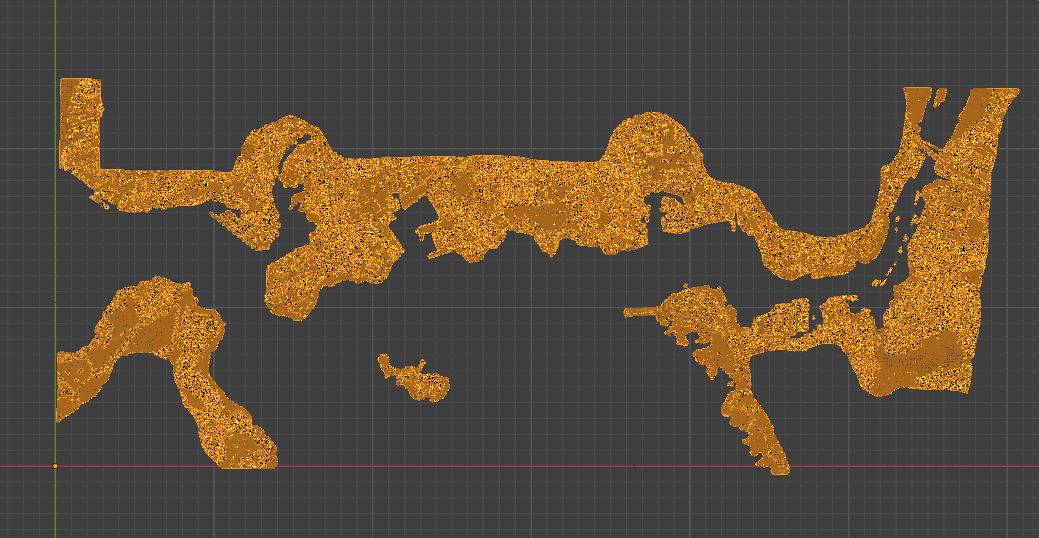
Synthetic environments allow to reproduce changes in scene geometry, radar-return strength, information density, vessel motion, and visibility, known to become increasingly important at extended ranges.
Engineers can then identify the causes of performance degradation, evaluate algorithm and sensor-processing upgrades under identical conditions, and determine where reliable positioning begins to break down.
Then, targeted on-water trials can confirm these findings.
Our proposed methodology provides the development tools and evidence needed to expand the validated operating envelope, it does not simply assume that an existing system will work beyond 500m. However, we are a step closer.

About Tom Coggins
Tom Coggins is the Technical Director of Guidance Marine, where he leads a team of 26 engineers in the research and development of advanced marine sensor systems.
With over 20 years’ experience in electronics and sensor design, Tom has been instrumental in shaping Guidance Marine’s product portfolio and technology roadmap.
Tom joined Guidance more than a decade ago and has progressed through roles as Electronic Design Engineer and Hardware Manager before taking on his current leadership position.
During this time, he has overseen the hardware development of the entire product range, driving innovation in navigation and positioning technologies.
Outside of work, Tom enjoys spending time with his wife and three young children.
We look forward to the 2026 MTS Dynamic Positioning Conference from 12-14th October. If you'd like to know more about our abstract, reach out below.

Ready to Elevate Your Vessel Positioning?
Whether you're navigating offshore installations, managing crew transfers, or advancing autonomous capabilities, our technology is built to deliver confidence at sea.


